Facebook Twitter Instagram
  • Home
  • About Us
  • Arts Hub
    • Architecture
    • Fiction
    • Films
    • Life Writing
    • Music
    • Poetry
    • Theatre
    • Visual Arts
  • Culture Hub
    • Clothing & Fashion
    • Cultural Commentary
    • Eating & Drinking
    • Education
    • Festivals/ Events
    • Religion
    • Science & Technology
    • Sport
    • TV, internet and other media
  • Contributors
  • Support Us
  • Books
0 0
Shopping cart (0)
Subtotal: £0.00

Checkout

Free delivery in the UK.

Log in / Sign in

Lost password?

  • Home
  • About Us
  • Arts Hub
    • Architecture
    • Fiction
    • Films
    • Life Writing
    • Music
    • Poetry
    • Theatre
    • Visual Arts
  • Culture Hub
    • Clothing & Fashion
    • Cultural Commentary
    • Eating & Drinking
    • Education
    • Festivals/ Events
    • Religion
    • Science & Technology
    • Sport
    • TV, internet and other media
  • Contributors
  • Support Us
  • Books
Facebook Twitter Instagram
0 0
0 Shopping Cart
Shopping cart (0)
Subtotal: £0.00

Checkout

Free delivery in the UK.

Return to previous page
Home Blog Culture Hub Eating & Drinking

The future of breaking bread

The future of breaking bread

3 June 2020 /Posted byCharlie Clutterbuck / 302

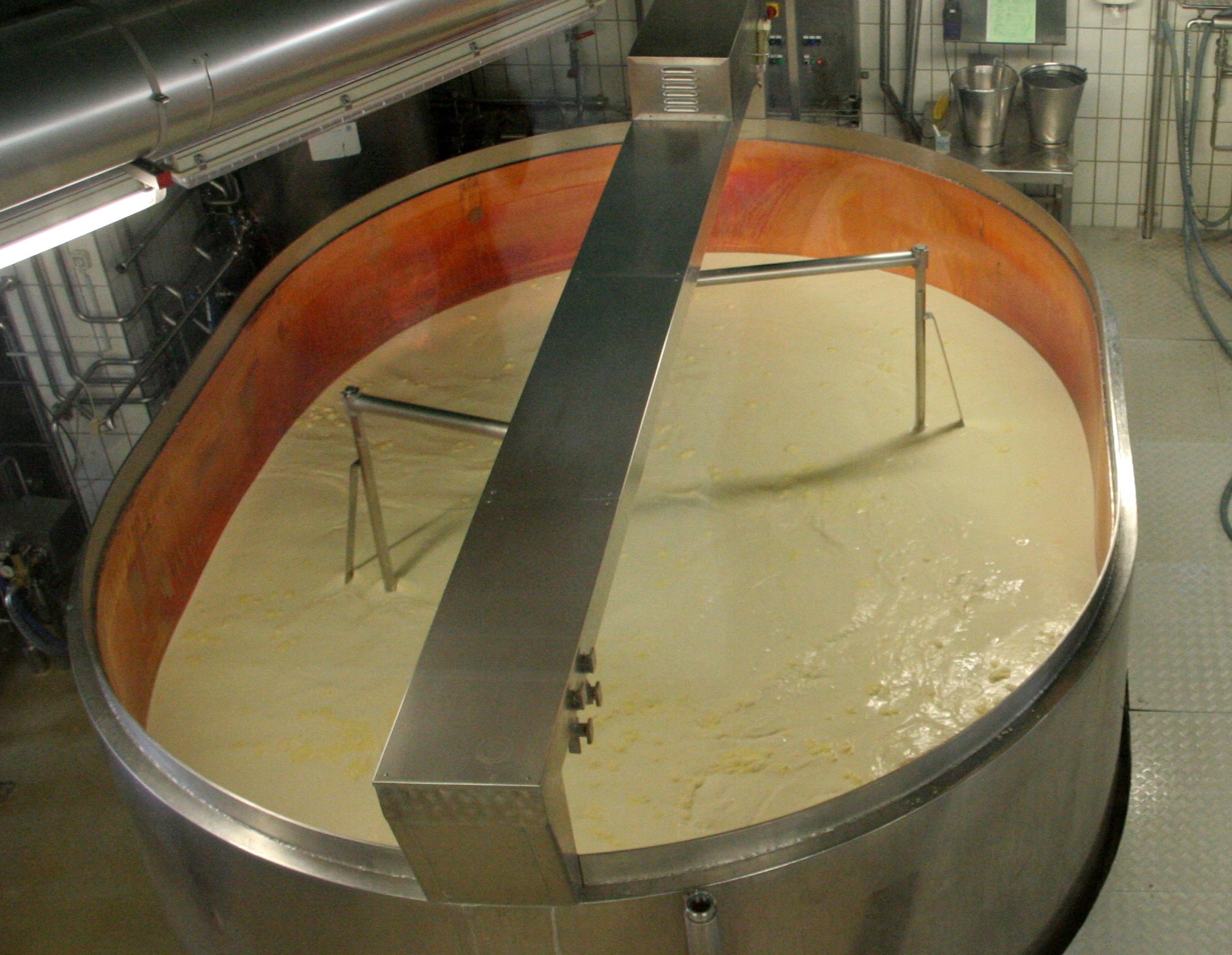
Charlie Clutterbuck continues the joint Culture Matters/Morning Star series on the future of cultural activities after the Covid-19 crisis, looking at what will we have on our plates afterwards. Image above: ultra-processed cheese production, photo by Matthias Kabel

Food is essential to live but has also been at the centre of our culture for centuries, with many a familiar expression like “eating humble pie” or “upper crust” showing our attitudes to class through food. Yet, in the last few decades of neoliberal capitalism, the production, distribution and consumption of food has changed radically, leading many people to take the availability of cheap, fresh food for granted.

As in so many other areas of cultural activity, the Covid-19 crisis has opened up the chasms in our food culture and shown that they need to be rethought and reimagined. This is part of the cultural struggle for a better world outlined by Mike Quille in the introductory article to this series, and as was illustrated by Keith Flett’s contribution on the subject of drinking. In outlining some of the problems of food culture that the Covid-19 crisis has brought into relief, I want to propose some potential solutions from a left perspective in the hope that the ideas stimulate further discussion.

The capitalist system has shown itself incapable of providing enough food of the right quality to everyone, even before the crisis. This has become most obvious in the runaway growth of obesity in the last 30-40 years, fuelled by food manufacturers’ drive for profits through adulterating food with too much sugar, salt and other harmful additives. In Britain, 50 per cent of the food we eat is ultra-processed and we eat more of this stuff and are more obese than any other European country.

There is also enormous wastage of food, at the farm, the factory and the supermarket, all because of overproduction to make a profit. These market failures have been exacerbated by the Covid-19 crisis, with huge increases in food bank-use due to people on lower incomes losing their jobs and struggling to buy enough food. At the same time, the chasm between the haves and have-nots has become clearer. Just about all of the food-service sector has been shut down. Many thousands of people in the food and drink industries have been furloughed or lost their jobs overnight and many have found themselves dependent on food banks.

Some crumbs from the tables of the rich were given by the government to distribute to frontline charities, serving food for refuges, homeless shelters and rehabilitation centres. But for the most part it was local communities all over the country which set up emergency systems to get food to the most needy. New community delivery systems based on volunteers were set up. In Preston, our co-operative LARDER cafe had to close and instead we went over to collecting as much surplus food as possible, making it into decent meals and delivering it with volunteers and vans.

Within a few weeks our food culture—both its production and consumption—seems to be changing. We are asking: “Where has all the flour gone?” as we take to home baking. People are starting to learn and enjoy the cultures around home cooking, finding that it tastes a lot better and does you a lot more good. Will this continue afterwards or will we all be straight out to the takeaways and restaurants?

As a good example of how our food culture may be changing, John Lewis reported that they are selling out of all their ranges of egg cups. It seems families are making the most of the lockdown by sitting down and having breakfast together. It takes only a few minutes to boil an egg and clear up, yet before lockdown that was enough to stop many people sitting down and enjoying breakfast in the morning.

Under pressure from the relentless demands of the capitalist workplace, our food culture has lost the time and space for us to sit down and enjoy our food together. We used to have set lunchtimes in canteens at work, instead of grazing at our desks. I found out when running food programmes for the World Health Organisation in Africa and Asia that in these neoliberal times eating on the move instead of sitting down has increased all over the world,

So what might some solutions to improve our food culture look like? We should start with policies of much tighter regulation, aimed at eliminating waste. We should discourage and even ban the production, promotion and retail of poor-quality foods, instead encouraging and promoting healthier diets.

We need to limit the number of fast food outlets, and ensure the availability of an adequate supply of fresh fruit and vegetables for everyone because the market—by which is ultimately meant capitalist boardrooms—cannot deliver that to everyone. Beyond that, in order to achieve real progress in promoting a healthier and happier eating culture, we need to remove the profit motive from production and retail and fundamentally change ownership arrangements.

We need to discuss putting the land, food production facilities and retail outlets into different forms of social ownership. These might be community co-operatives and shops, municipal facilities instead of foodbanks and, in many cases, a measure of nationalisation of food production, distribution and retail.

In other words, a menu—pun intended—of policies which encourage and direct a change in food production, retail and the cultures around consumption towards need instead of profit and a move away from private ownership towards more social forms of ownership and control.

Charlie is the author of Bittersweet Brexit: The Future of Food, Farming, Land and Labour, Pluto Press 2017.

Share Post
  • Twitter
  • Facebook
  • Pinterest
  • Mail to friend
  • Linkedin
  • Whatsapp
The countryside, class and cul...
Plague Songs – It Cures ...

About author

Avatar photo

About Author

Charlie Clutterbuck

Charlie Clutterbuck Ph.D. was an Associate Lecturer at Manchester Metropolitan University, and Honorary Fellow of the Centre for Food Policy at City University, London. He’s now Trustee of Incredible Farm, Todmorden, and of The Larder, Preston.

Other posts by Charlie Clutterbuck

Related posts

Eating & Drinking
Read more

As Soon as this Pub Closes: Beer and the Election

3 July 2024
Jeremy Corbyn is a lifelong abstainer from drink. Nevertheless, he has always shown interest in protecting pubs in his constituency, and so repaired with his... Continue reading
Eating & Drinking
Read more

Recognise the union and bring in the punks! The future of Brewdog

24 May 2024
Is there a way forward for Brewdog? James Watt has stood down as CEO of Brewdog after seventeen years. He has become ‘captain’ and a... Continue reading
Eating & Drinking
Read more

At the Chocolate Factory: negotiating cocoa illusion in fact and fiction this Easter

2 April 2024
Indelibly racist Roald Dahl was called upon by Hollywood profit-brokers again last year for yet another adaptation of his 1964 children’s novel Charlie and the... Continue reading
Eating & Drinking
Read more

Wetherspoons and an alternative to the neoliberal capitalism of big pub chains

1 February 2024
Tim Martin, the public face of Wetherspoons, was given a knighthood in the NewYear Honours list. Officially this was for his services to the hospitality... Continue reading
Eating & Drinking
Read more

Cask Ale, Private Equity and Class Politics

15 October 2023
Cask Ale Week, backed by Cask Marque, is an annual promotion of cask ale which runs in early Autumn each year. Its aim is to... Continue reading

Comments are closed

I will not cease from mental fight Nor shall my sword sleep in my hand Till we have built Jerusalem In England's green and pleasant land. - William Blake

Categories

  • 1917 Centenary
  • About us
  • Architecture
  • Arts Hub
  • Books
  • Clothing & Fashion
  • Cultural Commentary
  • Culture Hub
  • Eating & Drinking
  • Education
  • Festivals/ Events
  • Fiction
  • Films
  • Life Writing
  • Life Writing
  • Music
  • Poetry
  • Religion
  • Round-up
  • Science & Technology
  • Sport
  • Theatre
  • TV, internet and other media
  • Visual Arts
Recent Popular

Farewell to Smokestack Books

25 November 2024 Comments Off on Farewell to Smokestack Books

This is the Dawning of the Age ...

25 November 2024 Comments Off on This is the Dawning of the Age of Plutocracy

destroying angel

25 November 2024 Comments Off on destroying angel

What Three Words

25 November 2024 Comments Off on What Three Words
by Sliman Mansour

Art and Struggle: Olive Trees as Symbols ...

29 November 2023 Comments Off on Art and Struggle: Olive Trees as Symbols of Palestinian Culture, Food, and Heritage

Ghostly Communism – Provocative Documents for Thought

27 January 2016 Comments Off on Ghostly Communism – Provocative Documents for Thought

The Communist Vision of Ai Weiwei

26 November 2015 Comments Off on The Communist Vision of Ai Weiwei

Vienna: city of contrasts and contradictions

26 January 2024 Comments Off on Vienna: city of contrasts and contradictions

Tags Cloud

Banksy bbc Black Lives Matter Boris Johnson Brecht communism Covid19 Cultural democracy cultural struggle Eisenstein Engels Gaza Gaza genocide Genocide in Gaza George Orwell Gramsci Hitler IsraelGaza war Israeli bombing jeremy corbyn Jesus John Berger Karl Marx Keir Hardie Keir Starmer Liz Truss Marx marxism Miners' Strike 1984 Netflix Picasso poetry Pope Francis Raymond Williams refugees religion Rishi Sunak Russian Revolution Shakespeare shelley Spanish Civil War Trump Ukraine Walter Benjamin william morris

Search

Print

follow us on our Social Networks

Facebook Twitter Instagram Youtube

Copyright © 2016 - 2024 Culture Matters Co-operative Ltd; FCA Registration No: 4347; Registered office: 8 Moore Court, Newcastle NE15 8QE. All rights reserved.

Home
Shop
Wishlist
More
More
  • Home
  • About Us
  • Arts Hub
    • Architecture
    • Fiction
    • Films
    • Life Writing
    • Music
    • Poetry
    • Theatre
    • Visual Arts
  • Culture Hub
    • Clothing & Fashion
    • Cultural Commentary
    • Eating & Drinking
    • Education
    • Festivals/ Events
    • Religion
    • Science & Technology
    • Sport
    • TV, internet and other media
  • Contributors
  • Support Us
  • Books